Listen and Download Dr. Colenso-Semple’s Personalized Audio File Below
Listen and Download The Text-To-Speech File Below
by Lauren Colenso-Semple
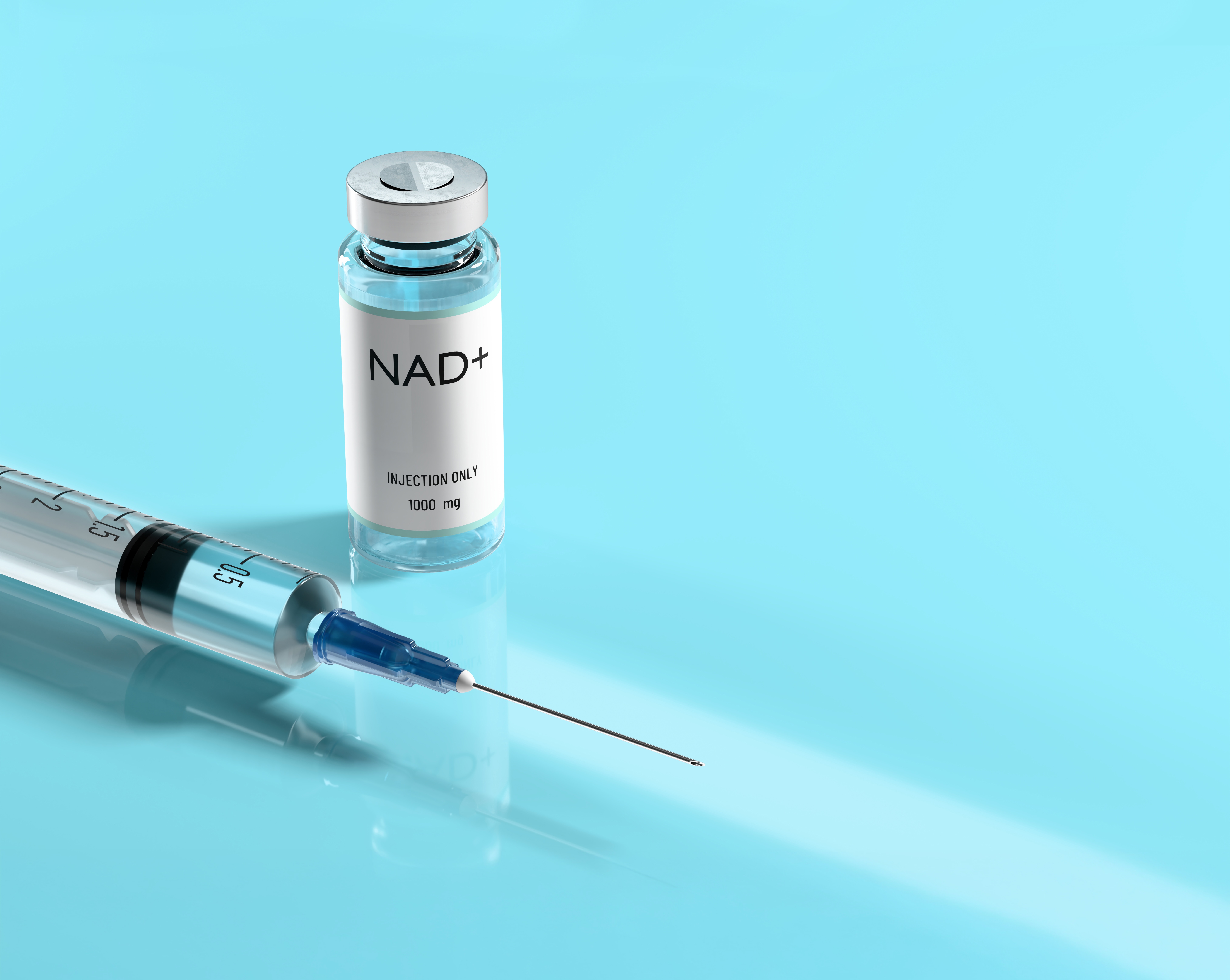
Intravenous NAD⁺ infusions are a wellness clinic staple. The sales pitch is compelling: since NAD⁺ declines with age, replenishing it can reverse aging at the cellular level, improve energy and metabolism, and sharpen cognition. But does it work?
Study Reviewed: NAD⁺ supplementation for anti-aging and wellness: A PRISMA-guided systematic review of preclinical and clinical evidence. Gallagher et al. (2026)
Key Points
- NAD⁺ supplements reliably raise NAD levels in the blood, but studies assessing fitness, metabolism, and aging outcomes report mixed or null findings.
- The gap between compelling rodent data and inconclusive human data is a recurring theme in “longevity science,” and NAD⁺ supplementation is no exception.
- Wellness clinics and influencers market NAD⁺ infusions as direct “cellular replenishment,” but there are zero controlled trials supporting this claim, and infusions appear to work through the same pathways as oral supplements.
NAD (nicotinamide adenine dinucleotide) is a coenzyme that facilitates energy metabolism and DNA repair. NAD⁺ is the oxidized (“uncharged”) form of the molecule and acts as an electron recipient, while NADH (NAD + Hydrogen) is the reduced (“charged”) form that acts as an electron donor. It shuttles electrons during cellular respiration, the process by which cells generate ATP (energy) from nutrients. When NAD⁺ accepts electrons and a hydrogen molecule, it becomes NADH, which delivers electrons to the electron transport chain, driving oxidative phosphorylation. NAD⁺also serves as a substrate for enzymes involved in DNA repair and cellular stress responses. The most discussed of these enzymes are sirtuins, proteins linked to metabolic regulation, and PARPs (poly ADP-ribose polymerases), which are critical for repairing damaged DNA.
Age-related declines in NAD⁺ levels have been reported in animal models, but the human data is inconsistent and the magnitude varies by tissue and measurement approach. A recent paper reported NAD⁺ blood levels in 300 people spanning ages 19–87, including elite athletes, frail older adults, and participants in exercise and nutrition trials (2). NAD⁺ levels were remarkably stable with age with no significant differences between younger (<30) and older (>60) adults, and no effect of exercise or nutrition intervention. However, lower NAD⁺ availability is associated with some age-related conditions in observational research. The case for supplementation is straightforward: if NAD⁺ decreases with age and NAD⁺ is required for energy production and cellular maintenance, restoring it should, in theory, counteract some aspects of biological aging. There is genuine biological plausibility here, which is why there is a decent amount of research on the topic. The question is whether supplementation is meaningfully beneficial in humans.
The term “NAD⁺ supplement” can refer to NAD⁺ precursors (vitamin B3: niacin, nicotinamide, nicotinamide riboside, nicotinamide mononucleotide) or direct infusion of NAD⁺. NAD⁺ precursors are oral supplements. Niacin causes flushing (warmth and redness) that can be uncomfortable and nicotinamide at high doses can suppress sirtuin activity. As a result, there is considerable interest in the newer precursors, nicotinamide riboside (NR) and nicotinamide mononucleotide (NMN). A recent systematic review synthesized preclinical (rodent) and clinical (human) evidence on NAD⁺ supplementation for anti-aging and wellness-related outcomes (1).
Purpose and Hypotheses
Purpose
This systematic review synthesized the data on the effect of NAD-related compounds on anti-aging and wellness-related outcomes, including physical performance, fatigue/energy, sleep, cognition/behavior, vascular function, body composition, frailty, quality of life, metabolism, and dermatologic/aesthetic aging.
Hypotheses
The authors did not state a hypothesis.
Subjects and Methods
They identified 80 rodent studies and 33 human trials. The human evidence was the primary focus of the review, but they summarized the rodent data to provide context pertaining to biological plausibility. The studies included younger and older adults with and without metabolic conditions. Study length ranged from 2 weeks to 4 months.
The authors performed a risk of bias assessment, which is a standard component of a systematic review. It considers bias due to the randomization process, deviations from the intended intervention, outcome measurement, missing outcome data, and selective reporting of data. Of the 33 randomized human trials included in this review, one was rated low risk of bias, 23 were rated as having “some concerns,” and nine were rated high risk.
Findings
The preclinical (rodent) data for NAD⁺ interventions are broadly positive: improvements in endurance capacity, grip strength, and metabolic markers. One study even reported a statistically significant lifespan increase with late-life NR supplementation in mice (3): they lived approximately 39 additional days! For context, the average lifespan of wild type mice is 2-2.5 years. Doses used in rodent studies were far higher per unit of body weight than doses tested in humans. Promising preclinical data on drugs and supplements is rarely reflected in human trials.
The most consistent finding across human trials is that oral NR and NMN reliably increase NAD-related metabolites in the blood with higher doses generally leading to higher circulating NAD⁺ levels. Conze and colleagues reported that NR increased NAD⁺ in immune cells by approximately 60% compared to placebo, with another NAD metabolite increasing nearly fivefold (4). However, this “target engagement” in the blood may not translate to increased NAD⁺ within key metabolic tissues. For instance, Dollerup et al observed robust increases in blood biomarkers following NR supplementation but found no significant changes in skeletal muscle NAD⁺ metabolites, suggesting a potential barrier to tissue-specific uptake (5).
Physical Performance and Functional Capacity
Studies tested a range of endpoints: VO₂max, ventilatory threshold, grip strength, 6-minute walk distance, and sit-to-stand tests. Some studies reported improvements in walk distance (6, 7), but not VO₂max and grip strength (8, 9), which may reflect the degree to which motivational and effort-based factors influence those tests, rather than an underlying physiological change.
Metabolic Health
Metabolic outcomes included insulin sensitivity, hepatic fat, and body composition. There was no consistent benefit for fasting glucose, cholesterol, HbA1c, or insulin sensitivity in healthy or pre-diabetic individuals. Yoshino and colleagues assessed the effects of 10 weeks of NMN supplementation in 25 overweight or obese postmenopausal women with prediabetes. Clamp-derived muscle insulin sensitivity increased by 25 ± 7% from baseline in the supplement group (p < 0.01), while no pre-to-post change was observed with placebo (10). However, other research groups failed to replicate this finding. Remie and colleagues found no effect of NR on clamp-measured insulin sensitivity (11), Pencina found no clear change in insulin sensitivity or hepatic fat (12), and Dollerup found no metabolic improvement across multiple outcomes (13) despite clear increases in NAD⁺ biomarkers..
Vascular Function and Blood Pressure
Vascular endpoints were assessed in a smaller number of trials with variable results. Martens and colleagues reported that NR was associated with a modest reduction in systolic blood pressure versus placebo of approximately 3.9 mmHg (14), while two other trials found no meaningful change in arterial stiffness measures with NMN supplementation.
Sleep and Fatigue
A handful of trials assessed sleep quality and fatigue, which are two of the most heavily marketed benefits, but the authors determined that the data were too sparse and inconsistent to draw conclusions.
Hair, and Skin
The systematic review identified one NMN study by Fukumoto and colleagues that reported improvements in subjective hair characteristics (elasticity, gloss, and volume), but that study had no control group (15). No human trials assessed skin aging outcomes.
Intravenous NAD⁺
The only intravenous NAD-related study that met inclusion criteria was a small, non-randomized, acute study of intravenous (IV) NMN (not NAD⁺ itself) in ten participants over five hours and reported no safety concerns alongside a rise in blood NAD⁺ levels (16).
Interpretation
The science currently supports NAD⁺ supplements as a way to raise blood levels of NAD⁺, but the evidence of meaningful health or anti-aging benefits is weak. The most striking finding of this systematic review is the total absence of trials evaluating IV NAD⁺ for anti-aging or wellness. The marketing narrative pushed by wellness clinics is that NAD⁺ infusions support mental clarity and cognitive function, enhance mood and reduce anxiety, improve sleep quality, reduce inflammation, manage weight, protect against Parkinson’s, Alzheimer’s, Huntington’s, and dementia, and strengthen cardiovascular function. There are no human data to support any of these claims.
The pitch is that an infusion is superior to orally ingested NMN or NR because it bypasses the gut for “direct cellular replenishment.” However, NAD⁺ is a large molecule that cannot freely cross the cell membrane. When infused into the bloodstream, it encounters enzymes on the outer surface of cells that rapidly break it down into smaller metabolites, primarily nicotinamide and ADP-ribose. These metabolites are then taken up by cells and used to regenerate NAD⁺ through the same pathway that oral precursors like NR and NMN use (17). In other words, the only way the $500-$1000 IV NAD⁺ infusion could increase intracellular NAD⁺would be through the same mechanism as a $30/bottle oral supplement. There are also risks associated with IV infusions, especially if the wellness clinic does not maintain a sterile environment.
Although NAD⁺-boosting strategies are promoted for “longevity,” we know very little about the long-term effects of supplementation. Most trials were six to twelve weeks. Longevity science is, by definition, interested in outcomes that take years or decades to manifest. It would take multi-year trials to thoroughly evaluate whether NAD⁺ supplementation meaningfully affects aging-related outcomes like frailty, falls, cardiovascular events, or cognitive decline. The authors of the systematic review entertain the possibility that certain populations might benefit from NMN or NR supplementation. Perhaps people with a very low baseline NAD⁺ – older adults with metabolic disease or chronic kidney disease – may benefit more than healthy middle-aged adults, but the outcomes in these subgroups are not consistent enough to support a recommendation.
Application and Takeaways
For decades, the longevity supplement space has moved faster than the evidence and NAD⁺ precursors are following the same pattern. The science currently supports NAD⁺ supplements as a way to raise NAD⁺ but not as a treatment for metabolic disease or an anti-aging therapy. Oral NR and NMN are generally well-tolerated over the durations studied and reliably raise blood NAD⁺ levels, but there is limited evidence that this translates to meaningful improvements in physical function, metabolic, or vascular outcomes.
There are no human trials on the effect of IV NAD⁺ infusions on any wellness or anti-aging outcome. There doesn’t seem to be any pharmacokinetic advantage over oral supplementation and we do not know if repeated infusions are safe or effective. These are foundational questions that would ordinarily need to be answered before a treatment is offered to the public, but this is par for the course in a world where people are injecting wellness peptides that have never been studied in humans!
References
- Gallagher C, Emmanuel OO. NAD⁺ supplementation for anti-aging and wellness: A PRISMA-guided systematic review of preclinical and clinical evidence. Ageing Res Rev. 2026;116:103057.
- Trętowicz MM, Scantlebery AML, Schomakers BV, Eroğlu KD, van Weeghel M, Spek V, et al. Human whole-blood NAD+ levels do not vary with age or lifestyle interventions. Nat Metab. 2026 May 14.
- Zhang H, Ryu D, Wu Y, et al. NAD⁺ repletion improves mitochondrial and stem cell function and enhances life span in mice. Science. 2016;352:1436–1443.
- Conze D, Brenner C, Kruger CL. Safety and metabolism of long-term administration of NIAGEN (nicotinamide riboside chloride) in a randomized, double-blind, placebo-controlled clinical trial of healthy overweight adults. Sci Rep. 2019;9:9772.
- Dollerup OL, et al. Nicotinamide riboside does not alter mitochondrial respiration, content or morphology in skeletal muscle from obese and insulin-resistant men. J Physiol. 2020;598:731–754.
- Yi L, Maier AB, Tao R, et al. The efficacy and safety of β-nicotinamide mononucleotide (NMN) supplementation in healthy middle-aged adults: a randomized, multicenter, double-blind, placebo-controlled, parallel-group, dose-dependent clinical trial. Geroscience. 2023;45:29–43.
- Morifuji M, Higashi S, Ebihara S, Nagata M. Ingestion of β-nicotinamide mononucleotide increased blood NAD levels, maintained walking speed, and improved sleep quality in older adults in a double-blind randomized, placebo-controlled study. Geroscience. 2024 Oct;46(5):4671-4688.
- Ahmadi A, Begue G, Valencia AP, Norman JE, Lidgard B, Bennett BJ, Van Doren MP, Marcinek DJ, Fan S, Prince DK, Gamboa J, Himmelfarb J, de Boer IH, Kestenbaum BR, Roshanravan B. Randomized crossover clinical trial of coenzyme Q10 and nicotinamide riboside in chronic kidney disease. JCI Insight. 2023 Jun 8;8(11)
- Kim M, Seol J, Sato T, et al. Effect of 12-week intake of nicotinamide mononucleotide on sleep quality, fatigue, and physical performance in older Japanese adults: a randomized, double-blind placebo-controlled study. Nutrients. 2022;14:755.
- Yoshino M, Yoshino J, Kayser BD, et al. Nicotinamide mononucleotide increases muscle insulin sensitivity in prediabetic women. Science. 2021;372:1224–1229.
- Remie CME, Roumans KHM, Moonen MPB, et al. Nicotinamide riboside supplementation alters body composition and skeletal muscle acetylcarnitine concentrations in healthy obese humans. Am J Clin Nutr. 2020;112:413–426.
- Pencina KM, Lavu S, Dos Santos M, et al. MIB-626, an oral formulation of a microcrystalline unique polymorph of β-nicotinamide mononucleotide, increases circulating nicotinamide adenine dinucleotide and its metabolome in middle-aged and older adults. J Gerontol A Biol Sci Med Sci. 2023;78:90–96.
- Dollerup OL, Christensen B, Svart M, et al. A randomized placebo-controlled clinical trial of nicotinamide riboside in obese men: safety, insulin-sensitivity, and lipid-mobilizing effects. Am J Clin Nutr. 2018;108:343–353.
- Martens CR, Denman BA, Mazzo MR, et al. Chronic nicotinamide riboside supplementation is well-tolerated and elevates NAD⁺ in healthy middle-aged and older adults. Nat Commun. 2018;9:1286.
- Fukumoto S, et al. Effects of NMN supplementation on hair-related outcomes: an open-label study. Cosmetics. 2025.
- Kimura S, Ichikawa M, Sugawara S, et al. Nicotinamide mononucleotide is safely metabolized and significantly reduces blood nicotinamide adenine dinucleotide levels in healthy individuals. Cureus. 2022;14:e28740.
- Grant R, Berg J, Mestayer R, et al. A pilot study investigating changes in the human plasma and urine NAD⁺ metabolome during a 6 hour intravenous infusion of NAD⁺. Front Aging Neurosci. 2019;11:257.
Leave a Reply